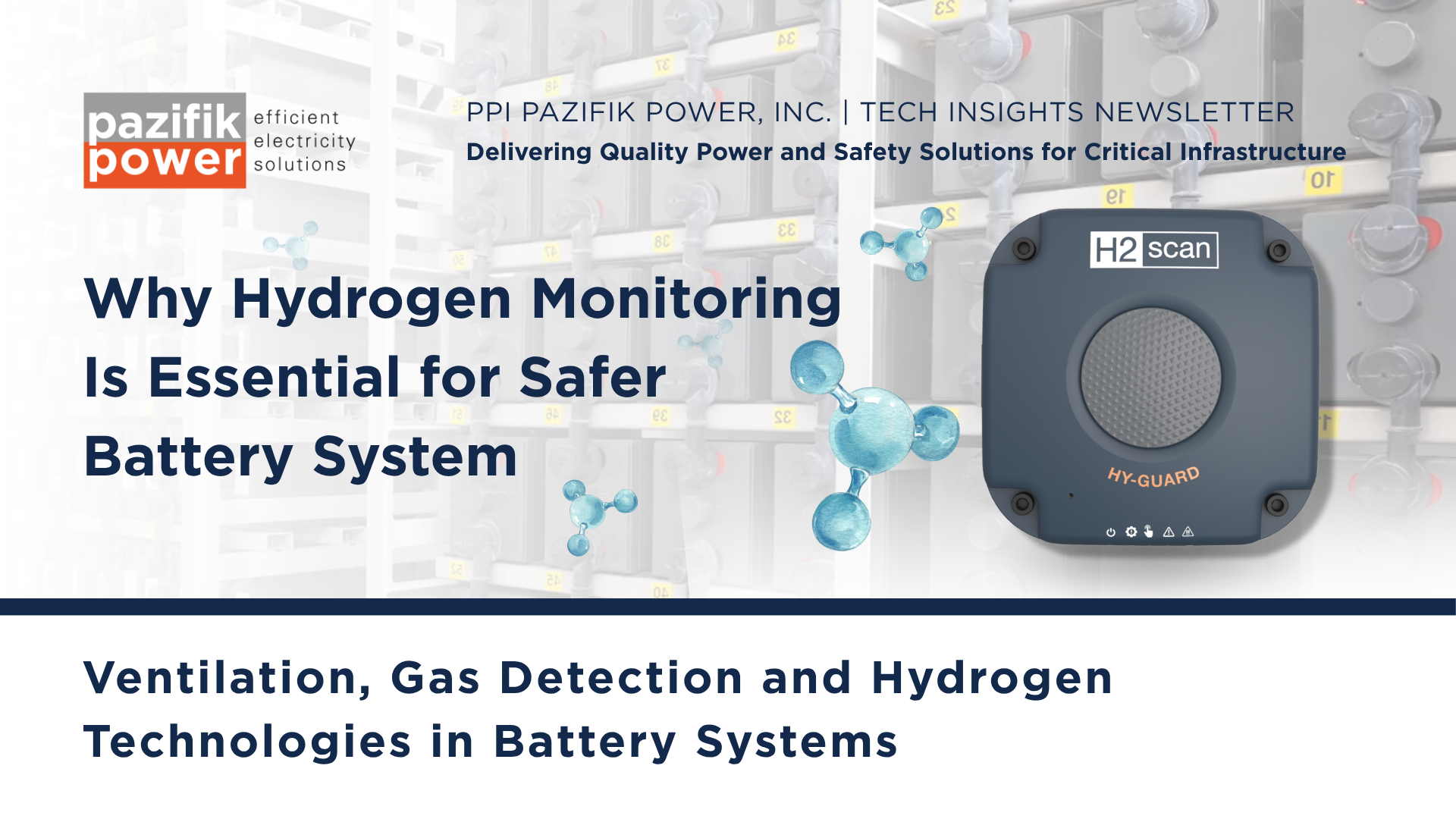
In a major step toward modernizing industrial safety and energy resilience, PPI Pazifik Power, Inc. has officially introduced H2Scan Hydrogen Monitoring to its cutting-edge portfolio of power and infrastructure solutions. The rollout brings next-generation sensor technology to facility operators seeking to revolutionize safety management across critical infrastructure. As modern facilities expand their reliance on high-density power systems, traditional safety measures are giving way to intelligent, real-time diagnostic tools. H2Scan’s industry-leading hydrogen sensing technology offers early detection capabilities, enabling smart, automated ventilation strategies that preemptively address hazardous gas accumulation before risks escalate. The deployment of H2Scan represents a key milestone in PPI Pazifik Power’s mission to spearhead innovative, future-ready operations. By integrating this advanced monitoring system, the company is equipping battery rooms, UPS facilities, telecommunications hubs, and energy-storage installations with the predictive intelligence required to maximize uptime, protect vital assets, and set new safety benchmarks across the region. Stationary batteries provide essential backup power for data centers, telecommunications networks, utilities, industrial facilities, and battery energy storage systems. However, batteries may release hydrogen during charging, overcharging, equalization, and abnormal operating conditions. Depending on the battery chemistry, hydrogen may also be released during events such as thermal runaway. Hydrogen is highly flammable and lighter than air. In enclosed rooms, cabinets, containers, and areas with limited ventilation, it can rise and accumulate at ceilings and other high points. If it is not detected and controlled, hydrogen accumulation can create a serious fire and explosion risk. Ventilation is an essential part of battery safety, but its effectiveness depends on battery capacity, charging current, room volume, enclosure design, and airflow. Continuous hydrogen monitoring adds real-time visibility so operators can identify changing conditions and respond quickly. H2Scan Hydrogen Monitoring is designed to provide continuous hydrogen awareness and support integration with the systems that protect people, equipment, and operations. The monitoring solution can support: The H2Scan white paper identifies approximately 1% hydrogen by volume as a typical monitoring or response threshold in battery applications, compared with an often-referenced lower explosive limit of approximately 4% by volume. Actual alarm levels and response actions should be confirmed by the responsible engineer and the authority having jurisdiction. The H2Scan HY-GUARD™ Hydrogen Area Monitor uses solid-state sensing technology for continuous hydrogen measurement in battery rooms, UPS facilities, telecommunications sites, battery cabinets, containers, and energy-storage systems. According to H2Scan’s product messaging, HY-GUARD™ is designed to provide: These product claims should be confirmed against the latest official datasheet and project requirements before final engineering or marketing use. The intended benefit is continuous hydrogen visibility with less routine maintenance than some conventional detection technologies. H2Scan Hydrogen Monitoring can support: Sensors should generally be installed at or near the highest point where hydrogen may accumulate. Design teams should consider room geometry, roof pockets, equipment layout, airflow, ventilation outlets, potential ignition sources, and applicable electrical-area classifications. Hydrogen monitoring complements, but does not replace, properly calculated ventilation, suitable electrical equipment, fire protection, safe battery installation, and a site-specific emergency-response plan. The complete system should be tested during commissioning, including alarms, ventilation activation, shutdowns, remote notification, and sensor or ventilation failure responses. By providing continuous awareness, hydrogen monitoring can help operators move from periodic inspection to faster, more informed action when battery-room conditions change. As batteries and energy-storage systems become more important to modern infrastructure, hydrogen safety must remain a key consideration. H2Scan Hydrogen Monitoring helps provide the real-time visibility needed to detect hydrogen early and support a coordinated safety response. At PPI Pazifik Power, Inc., we deliver dependable power and safety solutions that help customers create safer, more reliable, and better-prepared facilities. Detect hydrogen early. Respond faster. Protect critical battery infrastructure. For more information about H2Scan Hydrogen Monitoring, product applications, and installation guidance, please contact PPI Pazifik Power, Inc.. Our team is ready to help you identify the right solution for your facility.Why Hydrogen Monitoring Matters
How H2Scan Supports Battery Safety
H2Scan HY-GUARD™ Hydrogen Area Monitor
Where It Can Be Applied
Conclusion